Introduction
Building your toolkit can feel overwhelming, especially when you’re just starting out. The truth is, you don’t need everything at once. By starting with the top five essential tools, you can tackle nearly every carpentry task efficiently, safely, and professionally.
These tools will help you:
- Build confidence in your skills
- Save time on every project
- Make accurate cuts and measurements
- Work more efficiently with less fatigue
Some links in this post are affiliate links. As an Amazon Associate, I earn from qualifying purchases at no extra cost to you.
Choosing the Right Hammer for Carpentry
A hammer is the foundation of any carpenter’s toolkit. It’s used daily for driving nails, framing, demolition, and general tasks.

What to Look For:
- Weight: 16 oz–22 oz is ideal for most work
- Grip: Shock-absorbing handle reduces fatigue
- Claw type: Straight claw is best for pulling nails and prying
Why It Matters:
A poorly balanced hammer will wear out your arm quickly. A quality hammer improves speed, accuracy, and comfort over long workdays.
Best Use Cases:
- Framing
- Finish work
- Pulling nails
https://forgetradegear.com/ESTWINGUltraSeriesHammer
The Right Tape Measure for Carpentry
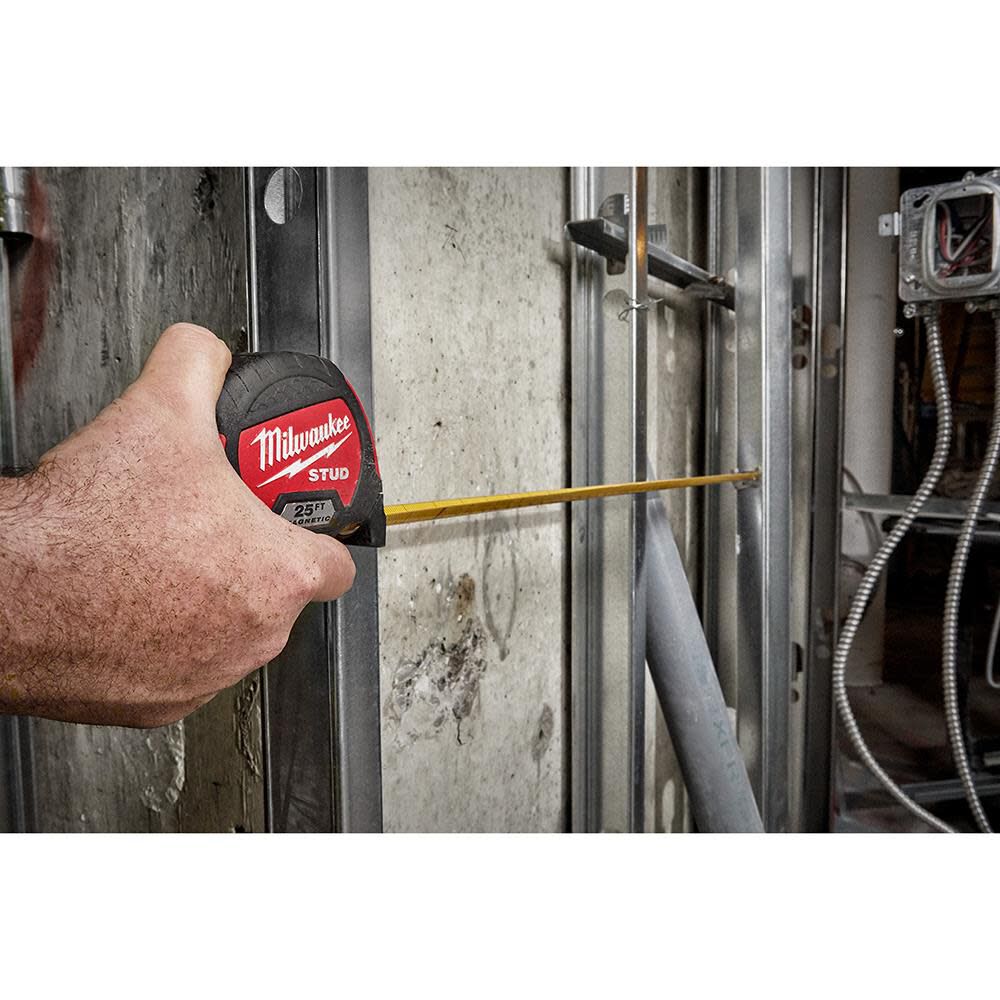
Every cut, layout, and install depends on accurate measurements. A good tape measure is non-negotiable.
What to Look For:
- Length: 25 ft minimum
- Blade standout: At least 7–10 feet without bending
- Durability: Reinforced casing and strong hook
Why It Matters:
Even small measurement errors can ruin a project. A reliable tape measure ensures consistency and precision.
Best Use Cases:
- Layout work
- Cutting materials
- Jobsite measurements
https://forgetradegear.com/MilwaukeeTape
Best Circular Saw for Carpenters
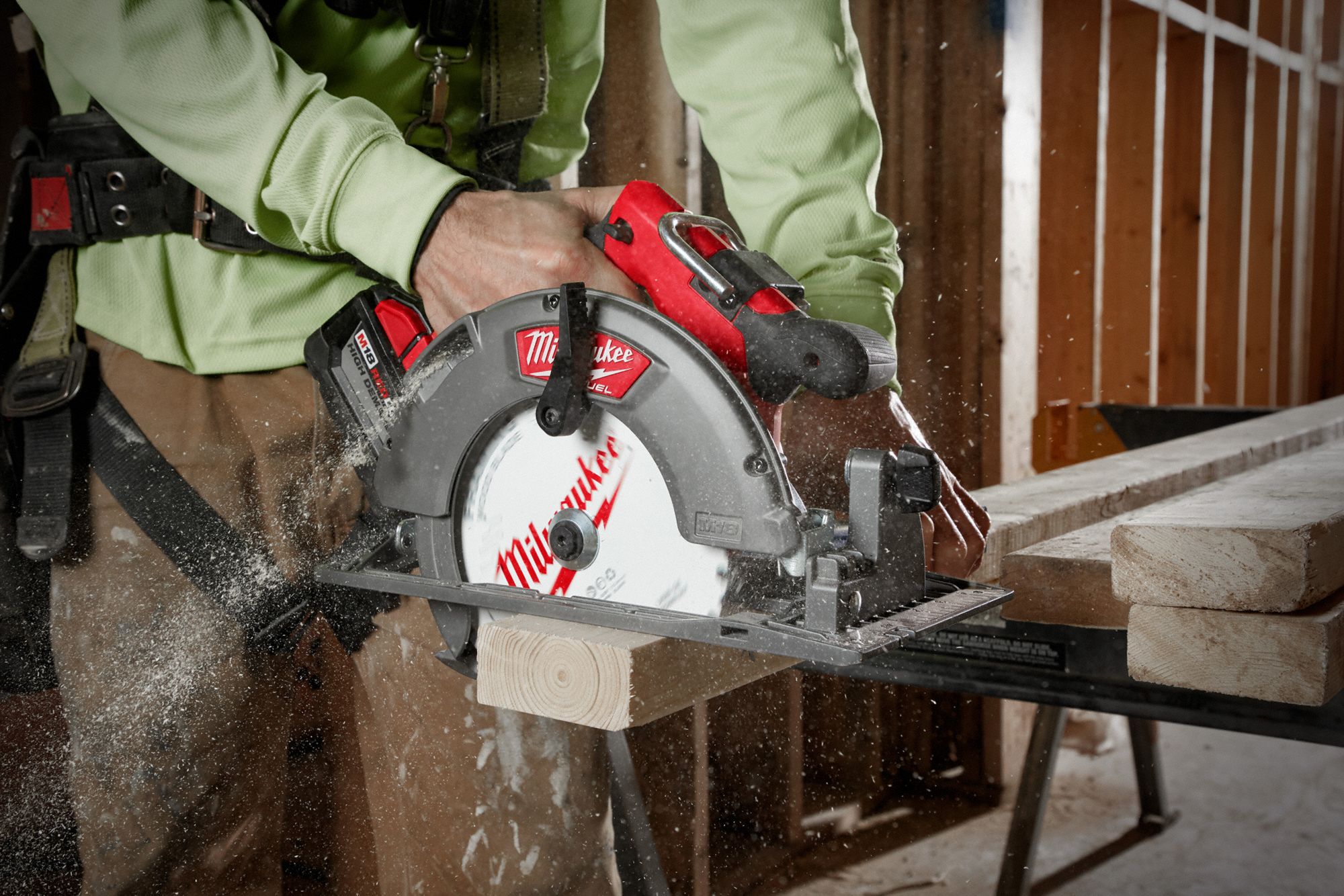
The circular saw is one of the most powerful and versatile tools in carpentry. It handles most cutting tasks quickly and efficiently.
What to Look For:
- Blade size: 7-1/4” standard
- Cordless vs corded: Cordless offers mobility
- Power: Strong motor for cutting thick lumber
Why It Matters:
This tool replaces many manual cutting tasks and saves a massive amount of time. It’s essential for framing and general construction.
Best Use Cases:
- Cutting plywood and lumber
- Framing
- Quick jobsite cuts
https://forgetradegear.com/MilwaukeeM18CircularSaw
Drills for Carpentry: Power, Comfort, and Efficiency
A drill/driver is one of the most versatile tools you’ll own. It’s used for drilling holes and driving screws across nearly every project.

What to Look For:
- Voltage: 18V–20V for power and versatility
- Battery life: Longer runtime = less downtime
- Multiple speeds: Better control for different materials
Why It Matters:
This tool is used constantly. A reliable drill speeds up installs and reduces effort when working with screws and fasteners.
Best Use Cases:
- Installing screws
- Drilling pilot holes
- General assembly
https://forgetradegear.com/M18COMPACTBRUSHLESSDrill/Driver
Why a Speed Square is Essential for Carpentry
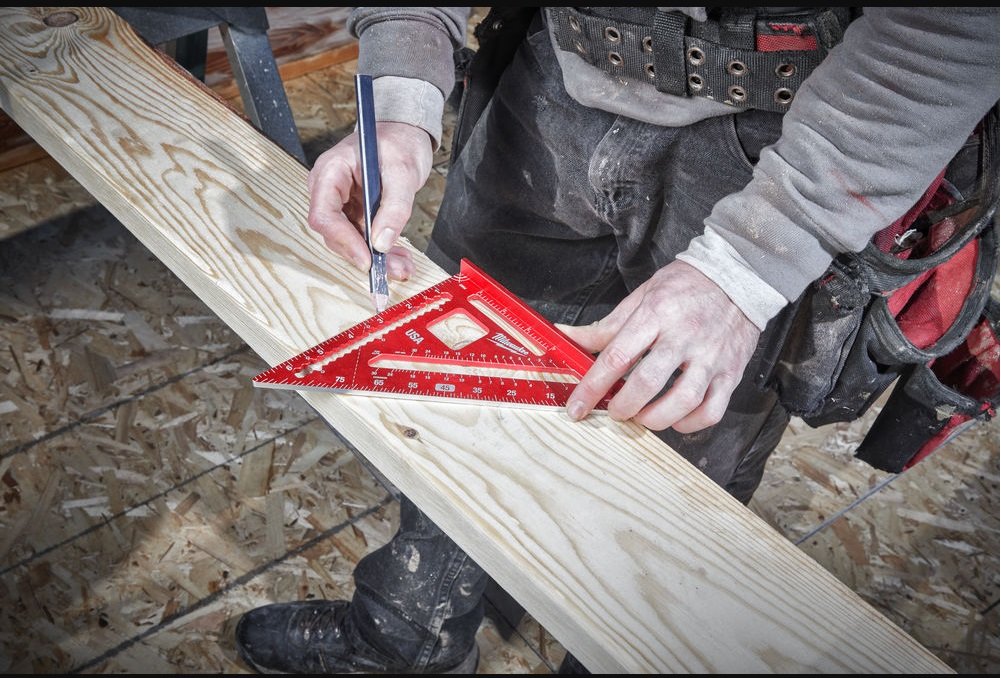
The speed square is a simple but powerful tool used for marking straight lines, angles, and guiding saw cuts.
What to Look For:
- Material: Aluminum for durability
- Clear markings: Easy-to-read measurements
- Grip edge: Helps guide saw cuts
Why It Matters:
Accurate layout is critical in carpentry. This tool ensures straight cuts and precise angles every time.
Best Use Cases:
- Marking 90° and 45° angles
- Guiding circular saw cuts
- Layout work
https://forgetradegear.com/MilwaukeeSpeedSquare
Final Thoughts Final Thoughts
Starting a carpentry toolkit can feel overwhelming, but it doesn’t have to be. By focusing on the top five essential tools—hammer, tape measure, circular saw, drill/driver, and speed square—you’re covering the core tasks every carpenter faces on the jobsite.
These tools aren’t just about getting the job done; they save time, reduce mistakes, and improve your efficiency. For example, a high-quality tape measure ensures every cut fits perfectly, while a well-balanced hammer keeps your arm from fatiguing over a long day. A reliable drill or circular saw allows you to handle almost any task without switching between multiple tools constantly. And the speed square? It guarantees precise cuts and layouts that look professional and last longer.
Investing in these essentials first gives you a strong foundation. From there, you can expand your kit with specialty tools as your projects grow more complex. Skipping these basics often leads to frustration, wasted materials, and slower progress—so it pays to start smart.
Remember, a carpenter is only as effective as the tools they trust. By starting with quality, reliable equipment, you’re setting yourself up for success on every project, whether it’s framing a deck, installing cabinets, or building custom furniture.
Finally, these tools aren’t just practical—they’re an investment in your work and safety. Each one will last for years if you choose quality brands, and together, they form a foundation for every project you take on.