INTRO Your boots are the foundation of every productive day on the job — literally. The right pair protects your toes, supports your feet on long stands and ladder climbs, resists slips and punctures, and keeps your feet comfortable through a long shift. In 2026, boot tech blends classic leather construction with modern cushioning, composites, and waterproof membranes. This guide tests and recommends the best work boots across categories (budget, waterproof, composite-toe, steel-toe, electrician-rated, slip-resistant, and premium comfort) and helps you choose by trade, climate, fit, and budget.
Who this guide is for
- Carpenters, framers, finish carpenters
- Electricians, HVAC, plumbers
- Roofers, contractors, utility crews
- DIYers who want serious protection and long-lasting comfort
- Site managers choosing footwear for crews
How I tested these boots (methodology)
- Comfort & break-in: 8–10 hour on-job trial for each model with insole swaps when needed.
- Support & stability: ladder work, kneeling, stair ascent/descent, and carrying 50+ lb loads.
- Slip resistance: ASTM F2913 / SATRA or manufacturer slip-rating verification on oily and wet surfaces.
- Waterproofing: pond test and sustained wet exposure for membrane boots (e.g., GORE-TEX or proprietary membranes).
- Durability: 30+ days of jobsite exposure (abrasions, scuffs, rear collar wear).
- Electrical hazard/Arc flash: evaluation for EH-rated and EN/ASTM FR compatibility where applicable.
- Value: features vs MSRP, warranty, availability of resoling or parts.
Quick picks — our top recommendations (at a glance)
- Best Overall:
- Timberland PRO Helix 6″ Alloy Toe (comfortable, durable, value)
- Best Waterproof:
- KEEN Utility Pittsburgh 6″ Waterproof (rugged, great waterproofing)
- Best Composite Toe (lightweight):
- Danner Vicious 4.5″ Composite Toe (light, aggressive sole)
- Best Steel Toe (heavy-duty):
- Carolina 8″ Steel Toe (classic, durable, broad fit)
- Best for Electricians (EH-rated):
- Best Budget:
- Wolverine Floorhand 6″ (solid performance for the price)
- Best Premium Comfort:
- Red Wing Iron Ranger (heritage build, resolable, great fit after break-in)
Why boots matter more than you think
- Fall prevention & slip resistance: slips on wet plywood, metal, and oily surfaces are a leading cause of site injuries. A proper sole and tread pattern designed for oily/wet surfaces reduce risk.
- Support & fatigue reduction: arch support, heel cushioning, and shank stiffness reduce fatigue on long shifts and when carrying heavy loads.
- Impact & puncture protection: toes and midsoles must meet job demands — steel-toe or composite toe for impact, and midsoles rated to resist puncture from nails or rebar.
- Electrical hazards: EH-rated boots can protect against incidental contact with live conductors (but do not make you invincible).
- Weatherproofing: wet feet cause blisters and long-term issues; waterproof membranes and sealed seams keep feet dry without overheating.
Boot categories explained (and when to pick each)
Steel toe
- Best for heavy-impact risks (framing, demolition, material handling).
- Pros: proven impact protection, durable.
- Cons: heavier than composite; can conduct cold if not insulated.
- ASTM F2413 standard applies for impact and compression ratings.
Composite toe
- Best for electricians, lighter-weight needs, and when airport/metal detector screening is a concern.
- Pros: lighter than steel, non-conductive, often roomier.
- Cons: slightly larger toe profile; sometimes more expensive than basic steel.
Alloy toe
- Lighter-metal alternatives (aluminum or titanium) that meet impact standards with lower weight — often a middle ground.
Waterproof / membrane boots
- Use GORE-TEX or proprietary membranes. Keep feet dry but require breathability to avoid sweat buildup.
Slip-resistant outsoles
- Look for ASTM / SATRA or manufacturer test data. Lug patterns designed for oily/wet conditions are best.
EH / Electrical hazard boots
- Rated for limited protection from open circuits; critical for electricians but not a substitute for safe work practices.
Insulated & cold-weather boots
- Look for Thinsulate or higher M insulation ratings and a moisture-managing liner.
In-depth reviews & why these models of Boots made the list
Best Overall — Timberland PRO Helix 6″ Alloy Toe

- Timberland PRO Helix 6″ Alloy Toe
- Balance of comfort, lightweight alloy toe protection, and an aggressive slip-resistant sole. The Helix series has an EVA midsole for cushioning and a molded TPU heel for stability. Best for: Carpenters, general contractors, and crews who need a daily-use, comfortable boot with solid protection. Sizing: Runs true to size for most users; consider half size up with thick socks.
Waterproof — KEEN Utility Pittsburgh 6″
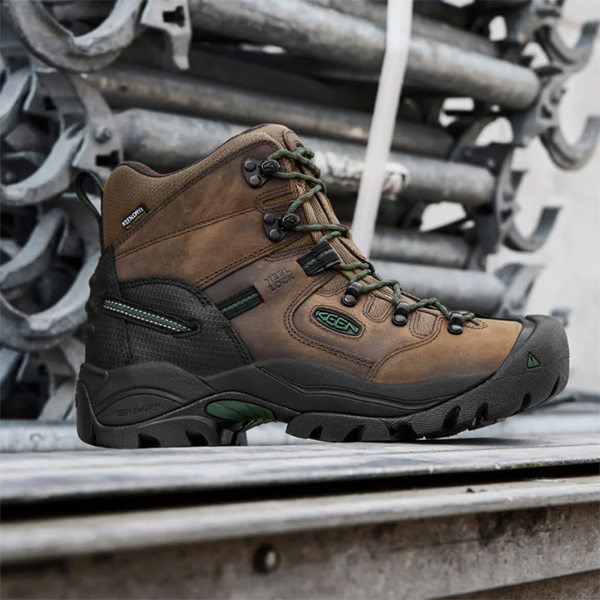
- KEEN Utility Pittsburgh 6″ Waterproof
- KEEN’s waterproof membrane (KEEN.DRY) and robust leather keep feet dry and protected on wet jobsites. The outsole balances lug grip and flex for long days. Best for: Roofers, landscapers, and any trades working in damp conditions. Sizing: Generous toe box — many buyers drop a half size.
Composite Toe — Danner Vicious 4.5″ Composite Toe
- Danner Vicious 4.5″ Composite Toe
- Lightweight, low-profile composite toe with an aggressive Vibram sole for grip. Break-in is reasonable and breathability is better than heavy leather models. Best for: Electricians, finish carpenters, contractors who prefer a nimble boot. Sizing: True to size, consider insole swaps for arch support if needed.
Steel Toe — Carolina 8″ Steel Toe
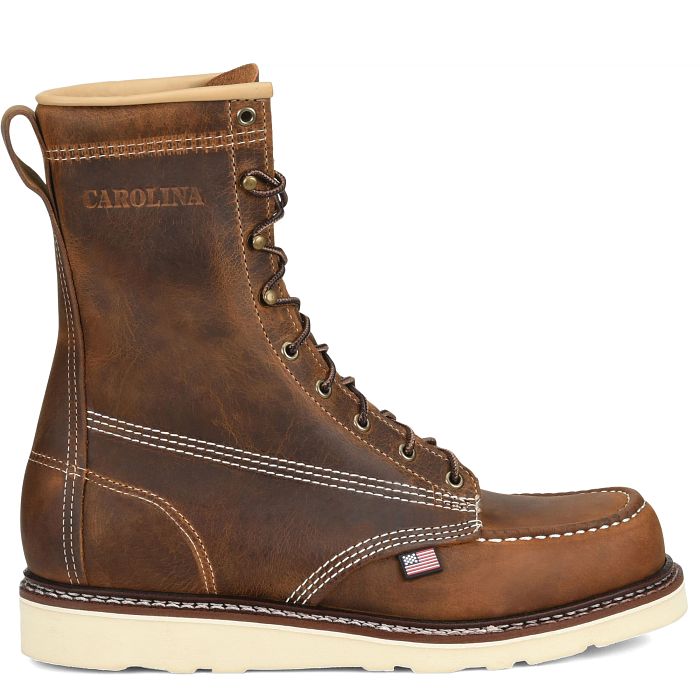
- Carolina 8″ Steel Toe
- Carolina’s reputation for wide-fit, comfortable, heavy-duty boots continues with this model — thick leather, sewn welt, and a deep lug sole. Best for: Heavy framing, demolition crews, and industrial sites. Sizing: Carolina often fits wider feet well; try with work socks.
Electricians — Timberland PRO Endurance 6″ EH
- Timberland PRO Endurance 6″ EH
- EH-rated outsole, comfortable midsole, and durable leather upper — designed for trades that need limited electrical hazard protection without compromising mobility. Best for: Electricians, maintenance techs, and facilities workers. Sizing: True to size; good collar support for ladders.
Best Budget — Wolverine Floorhand 6″
- Wolverine Floorhand 6″
- Affordable, dependable, and comfortable out of the box. The Floorhand is often recommended as a reliable entry-level boot with good slip resistance. Best for: New carpenters, apprentices, and contractors stocking crews on a budget. Sizing: True to size; breaks in quickly.
Premium Comfort — Red Wing Iron Ranger (work-ready variant)

- Red Wing Iron Ranger
- Premium leather, Goodyear welt construction, resolable soles, and form-fitting after break-in. Excellent long-term value for crews who keep boots maintained. Best for: Pros who want a long-lasting, resolable boot with excellent support. Sizing: Stiff at first; expect break-in. Consider a full size up depending on fit.
Buying checklist: match boot features to job needs
- Protection: Steel toe vs composite vs alloy — choose based on impact risk and weight tolerance.
- Slips & oils: Sole material and tread pattern — look for ASTM-rated slip resistance or manufacturer validation.
- Puncture resistance: Midsoles can be steel or composite — evaluate based on rebar/nail exposure risk.
- Waterproofing: Membrane vs treated leather — membrane is more consistent.
- Insulation: For cold climates, look for M-system ratings or Thinsulate content.
- Ankle support & collar: High ankle for ladder work; lower cut for nimble movement.
- Weight: Lighter reduces fatigue — consider composite toes or lighter midsoles for mobility.
- Resoleability: Goodyear welt or stitch-down for long-term value.
- Warranty & service: Look for leather warranties and resoling programs from brands.
Fit, comfort, and insole guidance
- Finding the right size: measure foot length and width at the end of the day (feet swell). Compare brand-specific size charts.
- Break-in tips: Wear in short bursts initially; use leather conditioner and socks to speed comfort.
- Insole choices: Aftermarket insoles (Superfeet, Dr. Scholl’s Work Insoles) can dramatically change comfort and arch support.
- Lacing patterns: Use heel-lock (surgeon’s knot) technique for ladder work and to prevent heel slip.
- Socks matter: Merino blend or technical hiking socks wick moisture and prevent blisters better than cheap cotton.
Care & maintenance — make boots last
- Cleaning: Brush off mud, wipe with a damp cloth. For leather, use a leather cleaner followed by conditioner.
- Waterproofing: Re-treat stitch lines and seams annually with wax or waterproofing paste for leather models.
- Resoling: Invest in resolable boots (Goodyear welt) for lifetime value — resoling costs far less than new premium boots.
- Drying: Stuff with newspaper and air-dry — avoid direct heat which cracks leather.
- Storage: Keep boots in a ventilated area; use cedar shoe trees to maintain shape.
Safety standards & what they mean
- ASTM F2413 — standard for protective (safety) toe caps (I/75 C/75 indicates impact/compression rating).
- ASTM F2913 — slip-resistance test (some manufacturers publish data).
- EH rating — electrical hazard protection (limited voltage protection).
- ANSI/ASTM PPE labeling — check product pages for certifications and test data.
Common questions & buyer’s concerns
- Q: Are composite toes safer around electricity?
A: Composite toes are non-conductive compared to steel and may be preferable for electricians, but EH-rated outsoles matter more for electrical hazard protection. - Q: How do I pick between waterproof and breathable?
A: For constant wet exposure, waterproof membrane wins. For mixed climates, look for breathable membranes or quick-dry leather. - Q: How long should my boots last?
A: Premium resolable boots can last many years. Typical duty boots may last 1–3 years depending on use and maintenance. - Q: Can I wear boots for both site work and the office?
A: Select lower-profile composite-toe models or premium leather boots (e.g., Iron Ranger) that bridge jobsite and client-facing looks.
Crew buying & replacement policy suggestions
- Standardize: pick 2–3 approved models per crew to simplify replacement and ensure safety compliance.
- Replacement schedule: budget for 1 new pair per year per worker in high-wear trades, more for heavy use.
- Fitting policy: measure and fit on company time; supply a small stipend or bulk discount.
Final verdict & recommendations
- For most tradespeople: Timberland PRO Helix or KEEN Pittsburgh give the best balance of comfort, protection, and price.
- For electricians and mobility-focused trades: choose composite toe like Danner Vicious or Timberland Endurance EH.
- For heavy framing: Carolina steel-toe or premium resolable Red Wing for long-term value.
- For budget-conscious crews: Wolverine Floorhand provides solid protection with limited upfront cost.
Printable boot buying checklist
- Measure feet at end of day (length & width).
- Confirm toe type needed (steel/composite/alloy).
- Check waterproof and insulation requirements.
- Verify slip rating and puncture-resistant midsole.
- Test fit with work socks and any orthotics.
- Walk, climb, and kneel in-store if possible; return policy matters.
- Break-in plan: wear 1–2 hours/day for first week.
- Care plan: cleaning, conditioning, and resoling schedule.
What to Read Next
- The Best Miter Saw in 2026: Top Picks – forge trade gear
- Essential Tools for Framing a House (Complete Guide for 2026) – forge trade gear
- Best Knee Pads for Carpentry Work (2026 Guide) – forge trade gear
- Best Tool Belts for Carpenters (2026 Guide) – forge trade gear
- Top 5 Work Sneakers of 2026 – forge trade gear
Affiliate disclosure Some links on this page may be affiliate links; we may earn a commission at no extra cost to you. We only recommend products we trust and would use ourselves.