INTRO Hands are your primary tools. The best work gloves protect them from cuts, punctures, abrasions, and cold while preserving the dexterity you need to handle fasteners, operate power tools, and feel surfaces. In 2026, glove tech ranges from ultra-thin HPPE cut-resistant liners to robust leather driver gloves and waterproof insulated mitts. This guide breaks down glove types by use-case, recommends top models for specific trades, explains safety ratings and certification, covers fit & sizing, shows how to care for gloves, and gives a practical buying checklist.

Who this guide is for
- Carpenters, cabinetmakers, and finishers
- Electricians and HVAC techs
- Mechanics and fabricators
- Roofers and general contractors
- DIYers looking for reliable hand protection
How we chose these gloves (methodology)
- Fit & dexterity: real-world tasks like tying knots, driving screws, operating triggers on saws and sanders.
- Protection: cut resistance (ANSI/ISEA A1–A9), impact protection (TPR), and abrasion/puncture resistance.
- Grip: wet/dry performance using nitrile, polyurethane coatings, and textured leather.
- Comfort & breathability: liner materials, moisture wicking, and seam placement.
- Durability: stitch quality, reinforced palms, and resistance to wear on knuckles and fingertips.
- Value: price vs expected service life and warranty.
Quick picks — Top glove recommendations (at a glance)
- Best Overall (carpentry/general trades):
- Mechanix Wear M-Pact 3 (tactical/mechanic hybrid, impact protect)
- Best Cut-Resistant (high dexterity):
- NoCry Cut Resistant Glove (HPPE + PU coating)
- Best Nitrile-Coated for Grip (wet/oily):
- Best Leather (durability & heat):
- Best Insulated (cold-weather):
- Best for Mechanics (oil, dexterity):
- Best Budget:
Glove types & what they protect against
Cut-resistant gloves
- Construction: HPPE, glass fiber, aramid blends (Kevlar), often with PU or nitrile palm coatings.
- Rating: ANSI/ISEA cut levels A1–A9 (higher = more cut resistance).
- Typical uses: glass handling, metal fabrication, sharp-material handling, tile and drywall work.
- Trade-offs: higher cut protection often reduces dexterity; choose the lightest rating that meets exposure risk.
Nitrile-coated & PU-coated gloves
- Construction: knit liner with nitrile/PU palm coating.
- Strengths: excellent wet/oily grip, good abrasion resistance, high dexterity with thin coatings.
- Uses: mechanics, assembly, material handling, fastener work.
- Note: nitrile tends to be more abrasion- and chemical-resistant than cheap PVC coatings.
Leather gloves (driver style)
- Construction: full-grain or split-grain leather, with or without lining.
- Strengths: abrasion resistance, heat resistance, durability; best for heavy handling and shaping tasks.
- Uses: framing, material handling, chipping, welding prep (but choose FR-rated leather or add protection for welding).
- Trade-offs: less dexterity for small fasteners, can be hot in summer.
Impact-protection gloves (TPR)
- Construction: standard glove with thermoplastic rubber (TPR) panels on back of fingers/knuckles.
- Strengths: protect against crush/impact injuries and snags; often combined with leather or synthetic palms.
- Uses: demo crews, carpentry with tool-drop risk, material handling.
- Note: TPR can reduce flexibility on the back of the hand but is essential where impacts occur.
Insulated & waterproof gloves
- Construction: waterproof membranes (e.g., Hipora), Thinsulate insulation or fleece liners, sealed seams.
- Strengths: warmth and water protection during cold/wet jobs.
- Uses: outdoors in winter, snow removal, HVAC winter work.
- Trade-offs: thicker layers reduce fine dexterity; choose insulated thickening based on temperature ranges.
Mechanic & general utility gloves
- Construction: synthetic palms, reinforced finger tips, breathable backs, touchscreen tips sometimes included.
- Strengths: balance of dexterity and protection; built for fast-paced tasks.
- Uses: general trades, tool handling, and everyday shop tasks.
Safety standards & ratings explained (US focus)
- ANSI/ISEA 105 — the standard for hand protection (cut, abrasion, puncture, chemical resistance). Cut levels A1–A9 (A1 lowest, A9 highest).
- EN 388 (European) — provides abrasion, cut, tear, and puncture ratings (good to reference if manufacturer lists both).
- Impact protection standards — look for TPR padding and industry-specific guidance; no single unified impact standard in ANSI as of 2026 but many manufacturers follow ASTM test protocols.
- Chemical and heat resistance — check manufacturer data sheets for chemical permeation and heat resistance values if your job requires this.
How to choose the right glove for your trade Carpentry & general construction
- Priorities: abrasion resistance, dexterity, grip. Use leather drivers for heavy handling and PU/nitrile for finish tasks.
- Recommended: Mechanix M-Pact for impact tasks; Carhartt leather drivers for handling; nitrile-coated for trim work.
Electricians
- Priorities: dexterity, arc flash / FR considerations (wear FR-rated gloves for hot work), and a thin insulating liner if appropriate.
- Recommended: thin cut-resistant liners under insulated gloves for sharp edges, but use proper insulating rubber gloves and leather protectors when exposed to live conductors.
Mechanics
- Priorities: oil resistance, dexterity for sockets and wrenches.
- Recommended: nitrile-dipped gloves (Ironclad, Mechanix Original) with reinforced fingertips.
Metal fabrication & glass handling
- Priorities: high cut resistance (HPPE/aramid), grip, and puncture resistance.
- Recommended: HexArmor Rig Lizard or NoCry cut-resistant series with PU palm.
Cold-weather exterior work
- Priorities: insulation, waterproofing, and grip in snow/ice.
- Recommended: Carhartt insulated waterproof gloves or Youngstown Cold Snap.
Landscaping & grounds
- Priorities: puncture resistance, moisture resistance, and durability (thorn-resistant).
- Recommended: leather drivers, nitrile-coated liners for wet conditions, thorn-proof reinforced gloves.
Fit & sizing: why it matters and how to measure
- Measure palm circumference at the widest part (excluding thumb) and compare to brand sizing charts.
- Glove length: for heavy protection, longer cuffs protect the wrist; for dexterity, shorter cuffs are fine.
- Fit test: gloves should be snug but not tight — fingertip allowance of ~3–5 mm for fine control; too loose reduces dexterity and increases snag risk.
- Break-in: leather gloves form to the hand over time; knit liners conform quickly — plan for gentle break-in.
Top picks (in-depth)
Mechanix Wear M-Pact 3 — Best for impact protection & general trades
- Mechanix Wear M-Pact 3
- Why we like it:
- TPR impact panels on knuckles and back of fingers, thermoplastic palm guards, and durable synthetic leather palm.
- Good grip and tactile feedback for power tools. Pros: Excellent impact protection, durable, good fit range. Cons: Slightly reduced breathability vs knit gloves; not cut-rated. Best for: Demo crews, carpenters handling heavy lumber, tool-drop risk environments.
NoCry Cut Resistant Glove — Best cut protection with decent dexterity
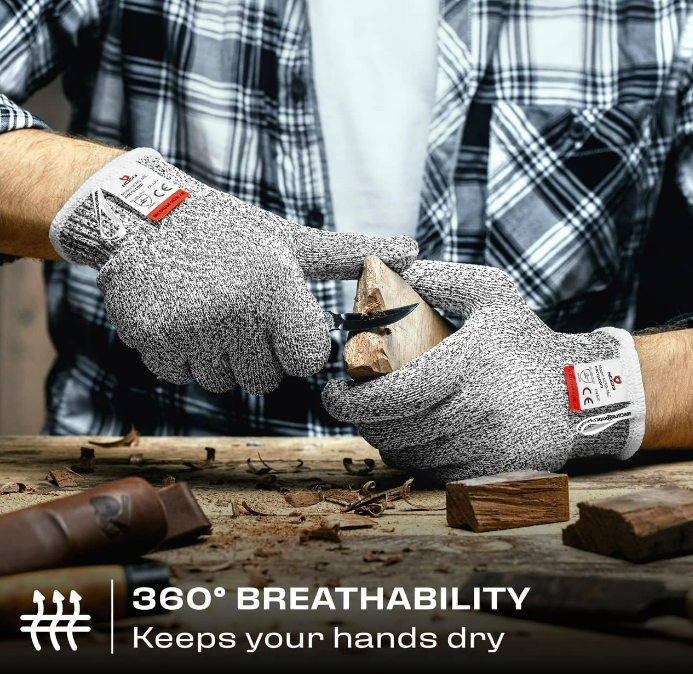
- NoCry Cut Resistant Glove
- Why we like it:
- HPPE/aramid blends with PU-coated palms provide A4–A6 level protection in most variants, high dexterity, and good grip. Pros: Protects against knife-edge and sheet-metal cuts while allowing finger movement. Cons: Not great for oily environments unless paired with appropriate coating. Best for: Metal work, glass handling, sheet goods, trimming tasks.
Ironclad M-PACT — Best nitrile-coated grip for oily/wet

- Ironclad M-PACT
- Why we like it:
- Nitrile palm with textured pattern for enhanced wet/oil grip; reinforced fingertips and durable knit back for breathability. Pros: Superb grip in oily conditions, strong abrasion resistance, long service life. Cons: Less cut protection compared to HPPE liners; warmer in hot weather. Best for: Mechanics, oil-handling, general assembly.
Carhartt Grain Leather Work Gloves — Best leather option for handling & durability

- Carhartt Grain Leather Work Gloves
- Why we like it:
- Full-grain leather palm and fingers with padded knuckle and seamless index finger for comfort and durability. Pros: Durable, protective, comfortable for heavy handling. Cons: Reduces fine dexterity; leather needs maintenance. Best for: Framing, material handling, landscaping.
Carhartt Insulated Waterproof Glove / Youngstown Cold Snap — Best cold-weather choice

- Carhartt Insulated Waterproof Glove
- Why we like it:
- Water-resistant outer, insulated liner, and textured palm for grip in winter. Some models include touchscreen capability. Pros: Warm and waterproof, maintains grip in cold. Cons: Thicker insulation reduces dexterity for fine tasks. Best for: Outdoor winter trades, snow removal, early-morning sites.
Ironclad General Utility — Best for mechanics & dexterity
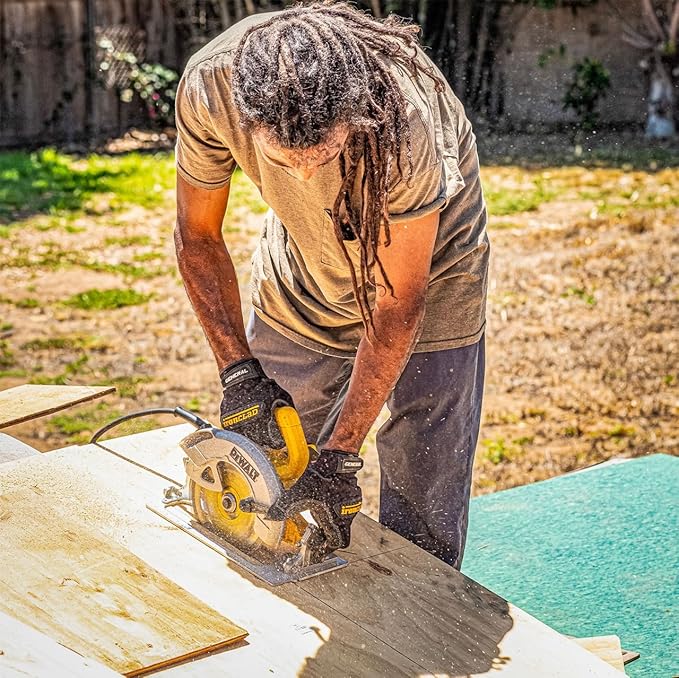
- Ironclad General Utility
- Why we like it:
- Thin palm, good tactile feedback, breathable back-of-hand panels, reinforced fingertips for long life. Pros: Excellent dexterity for nuts/bolts, good protection against abrasion. Cons: Not cut-rated or insulated. Best for: Mechanics, light fabrication, general hand tool work.
NoCry Synthetic Palm — Best budget all-rounders
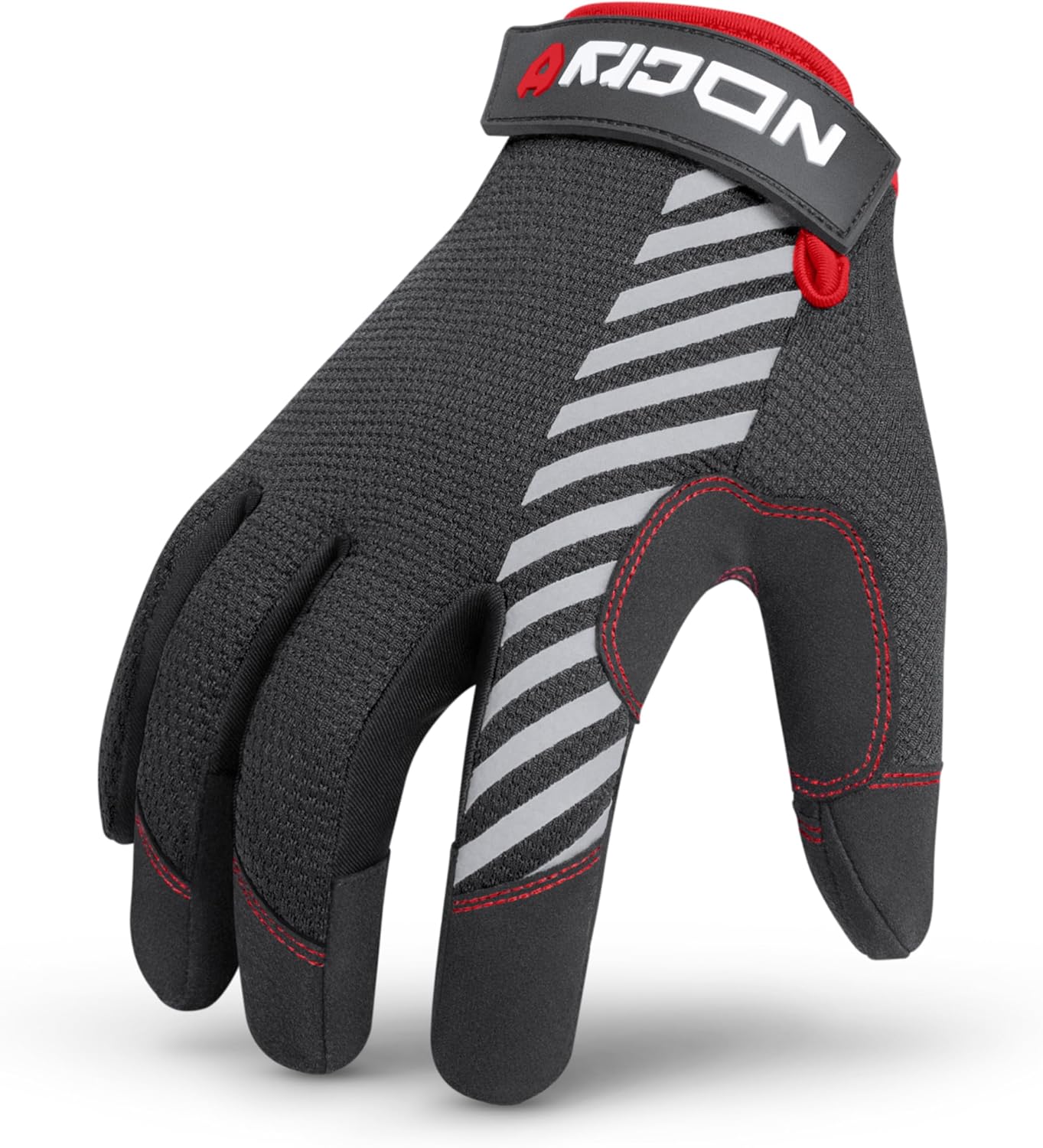
- NoCry Synthetic Palm Work Gloves
- Why we like it:
- Affordable, PU-coated palm for grip, lightweight knit liner for dexterity. Pros: Very affordable, decent everyday performance. Cons: Not as durable as premium brands; limited protective features. Best for: Apprentices, general-purpose tasks, disposable-like replacement cycle.
Fit tests & glove selection best practices
- Always try gloves on with the socks or liners you’ll wear (for thermal gloves).
- Test tasks: pick up small fasteners, manipulate trigger tools, twist a screwdriver, and simulate knuckle contact with a board.
- For cut-risk tasks, choose the lowest-weight glove with the needed ANSI cut level to retain dexterity.
- For mixed tasks, use a thin cut liner under a thicker palm-coated glove for combined grip and cut protection.
Care, cleaning & maintenance
- Knit liners & coated gloves: wash per manufacturer — usually machine cold with mild detergent; air dry to preserve coating.
- Leather gloves: brush off debris, use leather cleaner and conditioner; avoid saturating in water.
- Insulated/waterproof gloves: follow membrane care instructions; reproof water-resistant layers after washing.
- Replacement cues: thinning palm, frayed seams, exposed liners, or holes — replace immediately once protection is compromised.
Common FAQs
- Q: Are touchscreen-capable gloves useful on job sites?
A: Yes for convenience, but most touchscreen gloves reduce insulation and sometimes abrasion resistance. Test the model for durability. - Q: Should I wear cut-resistant gloves for every task?
A: No — use them for predictable cut exposure (metal sheet, glass, sharp sheet goods). Overusing heavy cut gloves reduces dexterity and slows fine work. - Q: Can cut-resistant gloves be washed?
A: Many can be machine washed; follow manufacturer instructions. Coated palms may degrade over time with frequent washing.
Crew purchasing & inventory tips
- Standardize top 2–3 glove types on crews (e.g., leather driver, nitrile utility, cut-liner) to simplify safety training and ordering.
- Provide a replacement policy for worn gloves — encourage early replacement to avoid incidents.
- Keep a small ballot of sizes in stock (S–XL) for quick swaps and to avoid downtime.
Printable checklist (copy/paste) Work-glove buying checklist:
- Task: Hands primarily in handling, cutting, oily, or cold environments? Choose accordingly.
- Protection: Need ANSI cut rating? Yes/No — which level?
- Grip: Wet/oil or dry-only?
- Dexterity: Can you perform fine tasks while wearing?
- Fit: Snug across palm, ~3–5 mm fingertip allowance.
- Cuff & wrist: Protection vs mobility; gauntlet for high wrist exposure.
- Care: Are gloves machine-washable or leather care required?
- Replacement: Replace at first sign of protective degradation.
Closing / final recommendations
- For general carpentry and mixed trades: keep a small rotation — leather drivers for heavy handling, nitrile-coated for fastener/power-tool tasks, and thin cut liners for sheet-metal handling.
- For specialty tasks: invest in purpose-built gloves (high cut-level HexArmor for metal, insulated waterproof gloves for winter).
- Teach and enforce glove selection on jobs — the right glove for the task keeps hands safer and saves time.
Check Our Other Blogs
- Best Work Shirts 2026 – forge trade gear
- Best Work Pants for Carpenters 2026 — Durable, Flexible & Pocket-Rich – forge trade gear
- Best Work Boots 2026 — Safety, Comfort & Durability – forge trade gear
- Woodworking Shop Essentials 2026 — Tools, Layout, Dust Control – forge trade gear
- Best Shop Vacuums & Dust Extractors 2026 – forge trade gear
Affiliate disclosure Some links on this page may be affiliate links; we may earn a commission at no extra cost to you. We only recommend products we trust and would use ourselves.